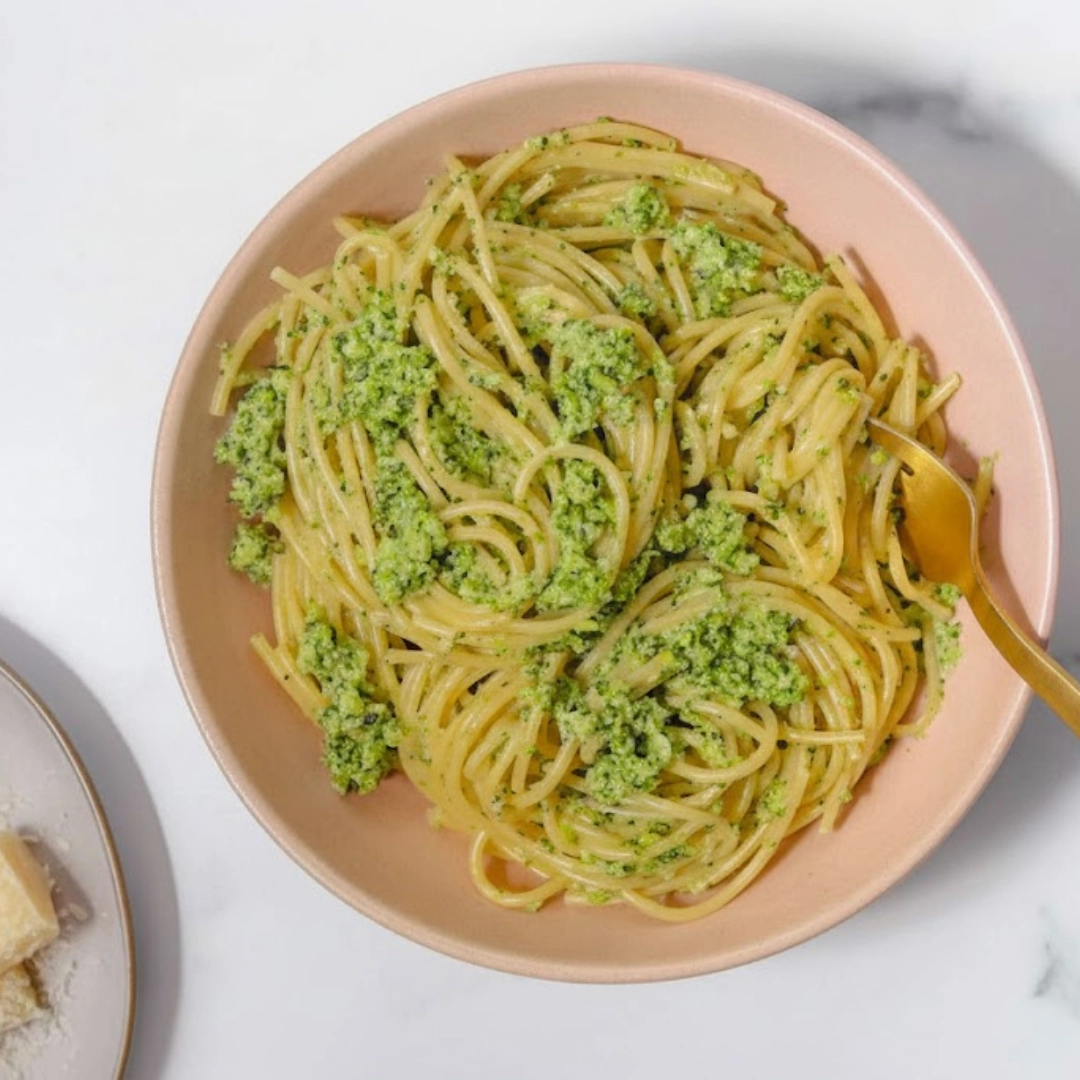
No-Cream Broccoli Pasta: Mastering Italian Kitchen Tradition
There’s an undeniable comfort that settles in when a steaming bowl of pasta hits the table, promising warmth and satisfaction. While many associate this indulgence with rich, creamy sauces, true Italian culinary wisdom, particularly from the sun-drenched south, often leans into a more resourceful and equally delightful approach. Welcome to the world of broccoli pasta as it was traditionally conceived: a masterpiece of flavor and texture achieved entirely without a drop of cream.
This isn't just a recipe; it's a cooking philosophy, deeply rooted in the concept of cucina povera – "poor kitchen" cuisine. It’s about elevating humble, readily available ingredients to create something extraordinary, allowing the natural essence of fresh broccoli to shine, bound together by the ingenuity of starchy pasta water and the savory embrace of cheese. Forget the heavy indulgence; prepare for a dish that is light, vibrant, surprisingly rich, and utterly authentic.
The Heart of Italian Tradition: Why No Cream?
To understand the genius of traditional no-cream broccoli pasta, we must first appreciate its origins. In many parts of Southern Italy, particularly Puglia and Sicily, broccoli (or similar green vegetables like rapini) has long been a staple. The idea was to create nourishing meals with what was abundant and affordable, eschewing expensive dairy products like heavy cream. This practical approach gave birth to methods that coax incredible depth and silkiness from simpler components.
Instead of cream, the magic happens through a masterful emulsification process. The starch released by the pasta as it cooks, combined with good quality extra virgin olive oil and grated hard cheese (like Parmigiano Reggiano or Pecorino Romano), creates a luscious, glossy sauce. This technique not only keeps the dish lighter but also allows the earthy notes of the broccoli and the bright punch of garlic to come through unmasked. For those who enjoy a richer, dairy-laden pasta experience, you might explore Creamy Broccoli Pasta: Your Easiest Weeknight Indulgence, but for purists, the no-cream version offers a profound satisfaction.
Unlocking Velvety Texture: The Magic of Broccoli and Pasta Water
The secret to achieving that coveted velvety texture in a no-cream broccoli pasta lies in how the broccoli itself is treated, and the indispensable role of "liquid gold"—starchy pasta water. There are two primary traditional methods for preparing the broccoli, each yielding a subtly different, yet equally delightful, creamy consistency:
- Co-Cooking with Pasta: This is arguably the most common and truly traditional method. Finely chopped broccoli florets are often added directly to the pot with the pasta during the last few minutes of cooking. As the broccoli softens in the boiling, salted water, it imparts its flavor to the pasta, and more importantly, becomes tender enough to break down slightly. Once drained (with plenty of pasta water reserved!), this softened broccoli easily integrates into the sauce, essentially melting into a vibrant green purée as it's tossed with the pasta, cheese, and olive oil. The starch from the pasta water helps bind everything into a cohesive, emulsified sauce. This is a hallmark of the cucina povera approach – minimizing steps and maximizing flavor.
- Deliberate Overcooking and Mashing: Another ingenious technique involves intentionally overcooking the broccoli until it's exceptionally tender. This might sound counter-intuitive, but it's a deliberate step to achieve an incredibly delicate, almost custardy texture. Once soft, the broccoli can be lightly mashed with a fork or the back of a spoon, sometimes even briefly blended with a touch of olive oil and reserved pasta water, to form a creamy paste. This paste then coats every strand of pasta, creating a "cream" made entirely from the vegetable itself. This method ensures maximum creaminess and an even distribution of broccoli flavor throughout the dish.
Regardless of the chosen broccoli preparation, the reserved pasta water is paramount. It’s not just for loosening the sauce; its high starch content is what binds the olive oil and cheese, creating a stable, luscious emulsification without any heavy dairy. This "liquid gold" is the cornerstone of a truly authentic no-cream broccoli pasta, providing richness and body that belies its simplicity. For more insights on this technique, check out Perfect Broccoli Pasta: The Magic of Pasta Water & Small Chops.
Building Layers of Flavor: Beyond the Basics
While broccoli and pasta water form the foundation, a few key ingredients elevate this humble dish into a symphony of flavors and textures:
- Garlic: The soul of Italian cooking. Sautéed gently in good quality extra virgin olive oil, it infuses the base with its pungent, aromatic warmth without overpowering the delicate broccoli. Don't be shy with a few cloves, thinly sliced or lightly crushed.
- Extra Virgin Olive Oil: This isn't just for cooking; it's a critical component of the sauce itself. A generous drizzle at the end adds a fruity, peppery note and contributes to the overall silkiness and richness, playing a vital role in the emulsification process.
- Parmesan or Pecorino Romano: Finely grated cheese is non-negotiable. As it melts into the hot pasta and broccoli, it thickens the sauce, adds a salty umami depth, and helps to create that desired creamy texture. Pecorino Romano, with its sharper, saltier profile, is often favored in Southern Italian dishes.
- Lemon Zest: A tiny bit of freshly grated lemon zest, added at the very end, is a game-changer. It provides a bright, acidic lift that cuts through the richness of the cheese and olive oil, awakening the palate and enhancing the overall freshness of the dish. It's a subtle touch that makes a huge difference.
- Pangrattato (Toasted Breadcrumbs): This is an essential, often overlooked, element in traditional Italian pasta dishes, especially those of cucina povera. Made by toasting breadcrumbs in olive oil with garlic or chili, pangrattato adds a delightful crunchy texture that contrasts beautifully with the soft pasta and creamy broccoli. It also serves as a "poor man's Parmesan," adding substance and flavor without the cost of cheese.
Mastering the Technique: Practical Tips for Your Kitchen
Achieving the perfect no-cream broccoli pasta is less about rigid measurements and more about understanding the principles. Here are some practical tips to guide you:
- Broccoli Preparation is Key: For the best integration into the sauce, chop your broccoli florets into "confetti" – very small pieces. This ensures they cook evenly and rapidly, and almost melt into the sauce, distributing their flavor wonderfully.
- Choose Your Pasta Wisely: While any pasta works, shapes like orecchiette (little ears), orecchiette, or short, sturdy shapes with nooks and crannies (like fusilli or cavatappi) are excellent. They are designed to "catch" and hold the bits of broccoli and the luscious sauce, ensuring every bite is perfectly balanced.
- Salt Your Pasta Water Generously: This is your primary seasoning. The water should taste like the sea. This not only flavors the pasta but also the broccoli if you're co-cooking them.
- Cook Pasta Al Dente: Always aim for pasta that is firm to the bite. Since you'll be tossing it vigorously with the hot sauce, it will continue to cook slightly, reaching perfect doneness in the skillet.
- Don't Be Shy with Pasta Water: Reserve at least 1-2 cups of pasta water before draining. You might not use it all, but it’s invaluable for adjusting the sauce's consistency, ensuring it's beautifully emulsified and coats the pasta perfectly.
- Low and Slow for the Sauce: When combining your ingredients (broccoli, garlic, cheese, olive oil, and pasta water), keep the heat on medium-low. This gentle warmth allows the cheese to melt smoothly and the emulsion to form without separating.
- Tasting and Adjusting: Like any great Italian dish, frequent tasting is essential. Adjust salt, pepper, and perhaps a touch more lemon zest or a drizzle of fresh olive oil until the flavors sing.
This traditional approach to broccoli pasta is a testament to the brilliance of Italian cooking – simple ingredients, smart techniques, and incredible flavor. It's a dish that looks sophisticated with its vibrant green flecks and glossy coating, yet it's deceptively easy and deeply satisfying.
Conclusion
Mastering no-cream broccoli pasta is about more than just following a recipe; it's about embracing a cherished Italian kitchen tradition. By understanding the transformative power of pasta water, the richness of good olive oil and cheese, and the vibrant potential of broccoli itself, you can create a dish that is both light and profoundly flavorful. This is comfort food at its most refined – a warm hug of a meal that nourishes the body and soul, inviting you to savor the simplicity and ingenuity of true Italian culinary heritage. Give this authentic method a try, and discover a new appreciation for the humble yet magnificent broccoli pasta.
